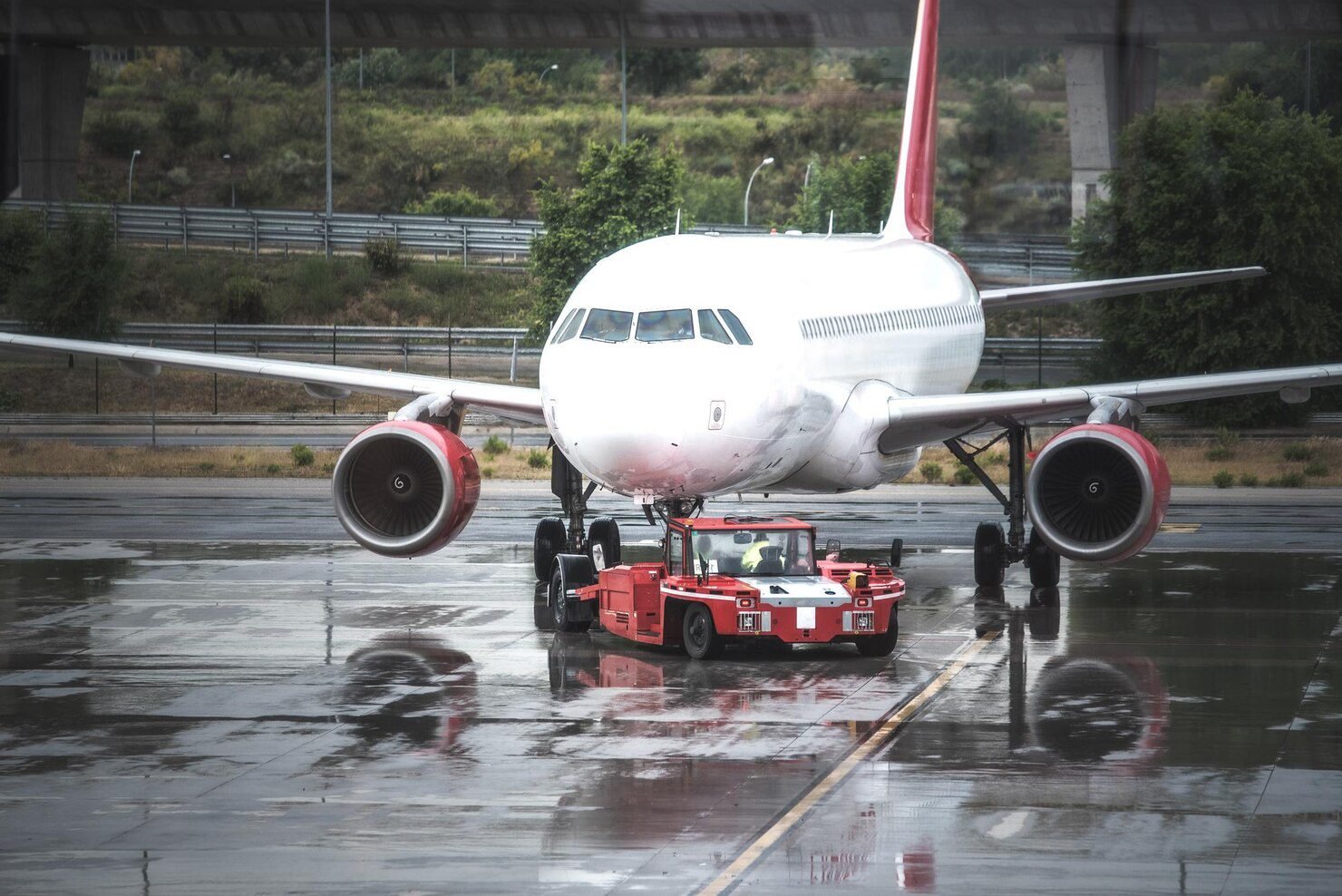
On July 7, 2025, Delta Connection flight DL3543, operating between Minneapolis–Saint Paul International Airport (MSP) and Chicago Midway International Airport (MDW), made an emergency return to Minneapolis shortly after departure. The incident drew attention across aviation news outlets because it showcased both the airline’s strict safety protocols and the professionalism of flight crews in handling unexpected situations.
Overview of Flight DL3543
Delta Connection DL3543 is a regional flight often operated by a regional partner on behalf of Delta Air Lines. Delta Connection services connect smaller airports and short-haul routes to Delta’s broader network.
On the day of the incident, the aircraft—an Embraer regional jet—departed MSP for what was expected to be a standard flight to Chicago. However, the flight crew halted the climb and turned back about 10 minutes after departure after identifying an issue requiring immediate attention.
What Happened During the Flight
Departure and Early Climb
Flight DL3543 took off from Minneapolis in the early afternoon. The aircraft climbed to around 21,000 feet, below typical cruising altitude, when the crew noticed an anomaly and made the decision to return.
Emergency Declaration
The pilots activated the aircraft’s transponder emergency code 7700, which signals a general emergency and grants the flight priority handling from air traffic control for return and landing.
Transponder squawk codes like 7700 are standard international signals used to alert controllers and ground personnel that a flight needs urgent priority, but are not always indicative of a catastrophic failure—often they reflect a precautionary step taken when any potentially serious issue arises.
Return and Landing
The aircraft safely returned to Minneapolis and landed without incident. Emergency response teams—including fire rescue and medical personnel—were on standby as a precaution, as is standard procedure for emergency landings. No serious injuries were reported among passengers or crew.
Cause of the Emergency Landing
At the time of reporting, no official public statement has been released detailing the exact technical cause of why DL3543 returned to airport shortly after departure. Many news summaries describe the event as a response to a technical irregularity observed in flight, but the specific fault remains under investigation by the airline and regulatory authorities.
It is not unusual for airlines to delay detailed disclosures about technical issues until investigation and inspection are complete, especially when it comes to regional flights operating smaller jets.
Why Emergency Landings Happen
Emergency landings are not common, but they are a central part of airline safety procedures. They occur for a variety of reasons, and not all involve immediate danger:
Common Triggers
- Technical or mechanical anomalies
- Warning indications from aircraft systems
- Cabin pressurization or sensor alerts
- Medical emergencies
- Weather-related concerns
- Smoke or unusual odors
When any system signals a potential safety issue, pilots are trained to act proactively rather than reactively—landing early to ensure passenger safety and resolve the problem on the ground rather than risk escalation.
Even minor irregularities detected by onboard automated monitoring can prompt a precautionary return, reflecting the aviation industry’s conservative approach to safety. Lola Jade Fielder-Civil
The Role of the Flight Crew
Professional flight crews follow strict emergency checklists and procedures to manage any abnormal situation. This includes:
- Assessing sensor data and onboard systems
- Communicating clearly with air traffic control and ground operations
- Keeping passengers informed
- Executing a controlled, prioritized landing
The decision to return is never taken lightly, but maintaining control and passenger safety is always the highest priority.
Passenger Experience
For travelers onboard DL3543, an emergency announcement can be unsettling. However, several common passenger experiences during a precautionary landing include:
Cabin Announcements
Pilots and flight attendants provide calm, clear communication to reassure passengers and explain procedures.
Professional Preparedness
Cabin crew work to secure the cabin, ensure seatbelts are fastened, and brief passengers on any required safety positions or landing preparations.
Landing and Ground Response
Upon landing, emergency vehicles and personnel remain on standby, though their presence is often precautionary rather than indicative of a crisis. Once the situation is resolved, passengers typically disembark and are assisted with rebooking or onward travel arrangements.
Airport and Airline Procedures After Landing
Following an emergency landing:
-
Inspection and Maintenance Checks
-
Engineers inspect the aircraft for any mechanical or technical issues.
-
-
Operational Continuity
-
Delta and its regional partners work to transfer passengers to new flights or provide accommodations as needed.
-
-
Regulatory Review
-
Aviation authorities may review flight data to understand the initial triggers and recommend any follow-up actions.
-
These steps help ensure that future flights remain safe and that the root cause is fully understood.
Industry Context: Safety First
Aviation remains one of the safest modes of transportation, largely because of rigorous regulatory oversight and multi-layered safety systems. From sophisticated onboard monitoring to structured emergency procedures, incidents like DL3543’s emergency landing demonstrate that airlines proactively handle anomalies before they escalate.
While passengers may find the experience stressful, such landings are precautionary maneuvers designed to protect everyone on board.
Frequently Asked Questions (FAQs)
Q: Was anyone injured in the DL3543 emergency landing?
A: No serious injuries were reported, and the aircraft landed safely.
Q: What exactly caused the emergency?
A: The exact technical cause has not been publicly disclosed and is under investigation.
Q: Are emergency landings common?
A: They are uncommon but are a standard safety response when pilots detect potential issues.
Q: Do emergency landings mean the aircraft was unsafe?
A: Not necessarily. Often they are precautionary decisions made to ensure safety.
Q: How are passengers affected after such incidents?
A: Passengers are typically rebooked and assisted with travel arrangements, with customer service support from the airline.
Conclusion: Safety and Professionalism in Action
The Delta Connection DL3543 emergency landing highlights the emphasis that commercial aviation places on safety. By quickly identifying a potential issue and prioritizing a return and landing, the flight crew demonstrated training, discipline, and commitment to passenger well-being.
While emergency situations can be alarming for passengers, they also reflect a culture of caution and preparedness that has made air travel extraordinarily safe over the decades. In the case of DL3543, the outcome was a controlled return to Minneapolis and a reminder that aviation safety protocols work exactly as designed. series online
About the Author
