Introduction
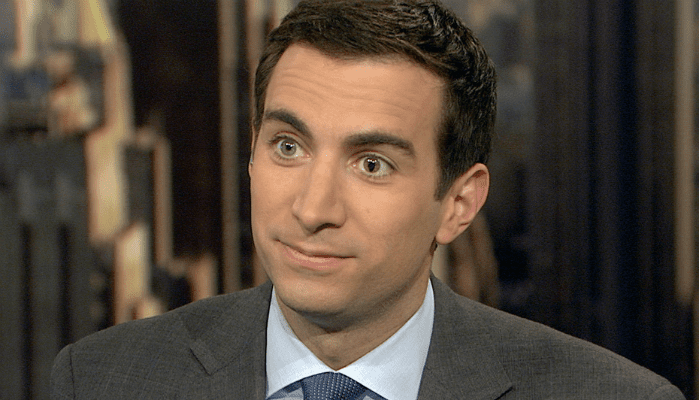
When it comes to Wall Street reporting, business journalism, and media influence, few names are as respected and prolific as Andrew Ross Sorkin. As a journalist, author, television anchor, and media producer, Sorkin has built a multi-faceted career over more than two decades. His financial standing, career trajectory, and public influence make him a compelling figure — which fans, readers, and ambitious media professionals often watch closely.
In this blog, we’ll explore who Andrew Ross Sorkin is, how he earned his wealth, what his net worth likely is in 2025, and how his various ventures across journalism, books, TV, and more have shaped his legacy.
Andrew Ross Sorkin at a Glance
| Full Name | Andrew Ross Sorkin |
| Born | February 19, 1977, in New York City, USA |
| Education | Bachelor of Science in Communications, Cornell University (graduated 1999) |
| Profession | Journalist, Author, Television Host/Anchor, Media Producer |
| Known For | Founding and editing DealBook (with The New York Times), co‑anchoring Squawk Box on CNBC, writing the bestselling book Too Big to Fail, and co‑creating the TV drama Billions. |
Key Achievements / Career Highlights
- Started writing for The New York Times while still a student. By graduation, he had already published dozens of articles.
- Became a full-time reporter after college, initially covering technology and media, later shifting to business, mergers & acquisitions.
- Founded DealBook in 2001 — a financial news service/newsletter under The New York Times — and has served as its editor-at-large.
- Published Too Big to Fail in 2009, which became a global bestseller and won awards (e.g. the 2010 Gerald Loeb Award for Best Business Book).
- Co‑produced the HBO adaptation of Too Big to Fail, giving him a presence in film production.
- Co‑created Billions, a widely watched TV drama about finance/Wall Street — expanding his influence into entertainment.
- Regular media presence: co-anchor on CNBC’s Squawk Box, frequent commentator on major networks, making him a recognizable face in financial news.
Major Income Sources
- Salary as columnist for The New York Times + editor of DealBook
- Salary/earnings from TV anchoring on CNBC
- Book royalties (especially from Too Big to Fail) and revenue from newer publications
- Earnings from TV & film production, including Billions and the HBO adaptation of his book
- Speaking engagements, media appearances, and other ventures (e.g. commentary, interviews)
Early Life and Beginnings of His Career
Childhood & Education
Andrew Ross Sorkin was born and raised in New York City. His parents are Joan Ross Sorkin (a playwright) and Laurence T. Sorkin (a lawyer). He completed high school at Scarsdale High School (graduated in 1995), then went on to Cornell University where he earned a degree in Communications in 1999.
First Steps: Journalism as a Student
Remarkably, Sorkin began contributing to The New York Times while still in high school and continued doing so throughout college. By the time he graduated, he had already published around 71 articles.
During his early years, he covered media and technology, working briefly for BusinessWeek during a summer internship in 1996. Later he spent some time in London (around 1998), covering European business and technology issues for The New York Times before returning to the U.S. to finish his degree.
Breakthrough Career in Business Journalism
Shift to Business, M&A Reporting
After joining The New York Times full-time in 1999, Sorkin became the European mergers and acquisitions (M&A) reporter and eventually, by 2000, the newspaper’s chief M&A reporter in New York.
Over time, he began to specialize in major financial deals, corporate takeovers, banking regulations, and big Wall Street stories. This placed him at the center of reporting on major events like bank mergers, corporate takeovers, and later, the 2008 financial crisis.
Founding DealBook
In 2001, Sorkin founded DealBook, an online daily financial-news newsletter under The New York Times. As its editor-at-large, he’s used the platform to publish analysis, breaking news, and weekly columns — consolidating his reputation as a leading voice in finance journalism.
Through DealBook, Sorkin not only reports news but influences how financial news is digested by professionals, investors, and the general public — expanding his reach and influence beyond traditional print journalism. wiki
Landmark Work: “Too Big to Fail” and Media Expansion
Too Big to Fail — the Book
In 2009, Sorkin published Too Big to Fail: The Inside Story of How Wall Street and Washington Fought to Save the Financial System — and Themselves, a detailed account of the 2008 financial meltdown and its aftermath. The book quickly became a bestseller.
It won the 2010 Gerald Loeb Award for Best Business Book.
Thanks to the book’s success, Sorkin earned widespread acclaim, significantly boosted his public profile, and opened doors into other media realms — including film and television production.
HBO Film Adaptation
The book was later adapted into a film by HBO Films, released in 2011. Sorkin worked as a co-producer and made a cameo appearance as a reporter in the film.
This adaptation helped monetize his authorship further, and expanded his influence beyond print journalism into visual media.
Television Career & “Billions”
Joining CNBC — Co‑anchor of Squawk Box
In July 2011, Sorkin became co-anchor of Squawk Box on CNBC — one of the network’s flagship morning programs.
His dual role — journalist for The New York Times and anchor for CNBC — allowed him to straddle the worlds of serious financial news and broadcast media.
Over years, this has become one of his primary income streams and helped cement his status as a well-known media personality.
Co‑creation of Billions
Beyond journalism, Sorkin expanded into entertainment: he is one of the co-creators of the hit TV drama series Billions, which premiered in 2016. The show dramatizes aspects of Wall Street, high finance, and legal battles — themes drawn from Sorkin’s deep experience covering finance.
This involvement generates additional earnings via production credits, royalties, and possibly backend profits — diversifying his revenue beyond journalism and anchoring.
Andrew Ross Sorkin Net Worth (2025 Estimate)
Estimating the net worth of a public figure like Andrew Ross Sorkin is inherently uncertain, especially due to varying sources and secretive assets. However, we can compile a reasoned estimate based on publicly available data from 2024–2025:
- Several recent sources estimate his net worth at around $12 million in 2025.
- Other sources over time have reported ranges between $10 million and $12 million.
- Given his ongoing work, influence, and new projects (like upcoming books — see below), it’s plausible that his assets, investments, and income streams could cause fluctuations, but $12 million remains a widely cited and conservative estimate.
Thus, a reasonable 2025 estimate for Andrew Ross Sorkin’s net worth is around $12 million.
That said — some sources (less verified) exaggerate higher numbers (for example citing $20 million or even $25 million), but such estimates often lack public documentation.
What Contributes to His Wealth: Income Streams & Assets
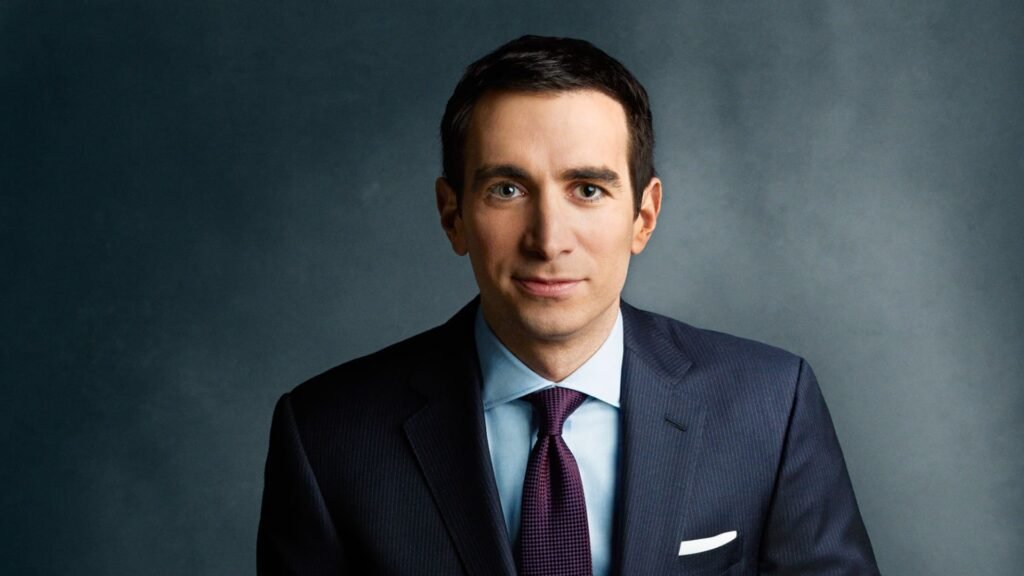
Here’s a breakdown of the major areas that contribute to Sorkin’s financial standing:
1. Journalism & Columns
As a columnist for The New York Times and editor at large of DealBook, Sorkin earns a stable income. This role offers both salary and potential bonuses/royalties from his writings — especially popular columns.
2. TV Anchoring & Hosting
His role on CNBC’s Squawk Box is a major source of income. Estimates suggest his anchor salary may range from several hundred thousand up to around a million annually, depending on contract, bonuses, and tenure.
3. Book Royalties & Publications
His bestselling book Too Big to Fail continues to generate royalties. Additionally, given his high profile and credibility, any future book releases are likely to be profitable. Indeed, in 2025 he’s reportedly publishing a new book about the 1929 crash.
These published works offer long-term residual income beyond immediate sales: libraries, educational institutions, and new readers all contribute to royalty streams over time.
4. Television & Film Production
Sorkin’s co‑creation of Billions and co‑production of the film adaptation of Too Big to Fail provide media industry earnings via production credits, royalties, and possibly backend profits (depending on contracts).
This diversification into entertainment beyond journalism helps cushion his income against fluctuations in any single sector.
5. Speaking Engagements & Appearances
As a high-profile financial journalist and author, Sorkin likely earns money from speaking engagements, interviews, and conference appearances. These occasionally pay well, especially given his deep expertise and public reputation.
6. Real Estate & Investments
Earlier reports indicate that Sorkin and his family purchased a cooperative housing unit (co-op) in New York City — which contributes to his assets.
Though details on his broader investment portfolio are not public, given his background in finance reporting and exposure to markets, it’s plausible he holds diversified investments — which may factor into his net worth beyond his reported assets.
Recent Developments & 2025 Potential
New Book: 1929 Crash
In 2025, Sorkin reportedly will publish a new history book focused on the 1929 Wall Street crash: 1929: Inside the Greatest Crash in Wall Street History.
Given his track record, this book has the potential to become another bestseller — which could significantly boost his royalties and media attention. If successful, it may lead to a notable increase in his net worth over the coming years.
Continued Media & Production Work
With his anchoring role on CNBC still active, regular column writing for The New York Times, and his background in TV/film production, Sorkin remains well-positioned to benefit financially from media trends — especially as financial news continues to be in high demand.
Influence & Legacy
Even beyond raw earnings, Sorkin’s influence in business journalism, financial commentary, and media storytelling (through Billions and other works) gives him intangible value: prestige, opportunities for future projects, and potential long-term revenue (e.g. licensing, adaptations, speaking tours).
Comparison: Andrew Ross Sorkin vs. Other Media & Financial Journalists / Media Personalities
Sorkin’s net worth and career place him solidly among well-compensated media professionals — though he is not among the super‑rich private equity magnates or billionaires. A few comparisons help highlight his position:
| Peer / Comparable Role | Approximate Net Worth / Position* | Notes |
|---|---|---|
| Andrew Ross Sorkin | ~ $12 million (2025 estimate) | Strong blend of journalism + media production + authorship |
| Top Hedge Fund / Business Moguls | Much higher (often 8‑9‑digit net worth) | But these persons have capital-heavy business holdings |
| Other Financial Journalists / Anchors | Varied — often lower or comparable | Depends heavily on media contracts, investments, book deals |
| Successful Authors / Media Creators | Varies — if hit bestseller or produce TV/film | Income and net worth depend on long-term royalties & deals |
* These numbers are rough — public data for most individuals is limited.
Conclusion of comparison: Sorkin has built a diversified career that avoids relying solely on one income source. While his net worth is modest compared to tycoons and billionaire investors, he stands out as a successful media professional whose earnings are robust and likely to grow steadily. Arjun Das
Challenges & Limitations in Estimating Net Worth
While many sources quote ~$12 million as Sorkin’s net worth for 2025, there are important caveats:
- Public vs. Private Assets: Media income estimates typically do not account for private investments (stocks, bonds, real estate, etc.), which could increase or decrease his actual net worth significantly.
- Income Variability: Media contracts, book deals, production credits, and royalties fluctuate over time — some years may be lucrative, others less so.
- Lack of Verified Data: Most reported net worth figures are estimates by third-party websites; Sorkin has not publicly released detailed financial disclosures.
- Expenses & Taxes: High cost of living (especially in New York), taxes, and lifestyle costs may eat into gross earnings — meaning net worth doesn’t always equate to accumulated savings.
Therefore, while $12 million is a reasonable public estimate, the true figure could be higher or lower depending on hidden assets, debts, and ongoing expenses.
Why Andrew Ross Sorkin’s Career and Wealth Matter
For Aspiring Journalists and Writers
Sorkin’s journey — from student intern to top journalist, author, and media producer — shows that diversified talents (writing + business insight + media savvy) can lead to long-term success. His founding of DealBook, creation of content beyond journalism, and ability to pivot into TV/film production provide a blueprint for a modern journalism career in a changing media landscape.
Influence on Public Perception of Finance & Wall Street
Through his columns, books, TV presence, and co-created show Billions, Sorkin shapes public narratives about finance, Wall Street, banking crises, regulation, and economic policy. His work often informs public debates, investor sentiment, and even policy discussions.
Legacy in Media & Financial Storytelling
By translating complex financial events into accessible storytelling — whether in print, books, or drama — Sorkin bridges journalism and popular media. That places him not just as a reporter, but as a storyteller whose influence may last long beyond individual earnings.
What the Future May Hold for Andrew Ross Sorkin
- New Publications: The 2025 release of his book on the 1929 crash could become a major hit. A successful book often results in significant royalties, speaking tour demand, and renewed media interest — all of which could boost his net worth.
- Continued Media & TV Involvement: Given his track record (anchoring, production, commentary), Sorkin may take on additional projects — podcasts, documentary series, investigative journalism — each with earning potential.
- Investments & Diversification: As someone deeply familiar with finance, Sorkin may use his resources to build a diversified investment portfolio (stocks, real estate, private investments), increasing wealth outside of media income.
- Enduring Influence: Over time, as Billions remains popular and his writings stay relevant, Sorkin’s brand may become a long-term asset — leading to opportunities in consulting, teaching, keynote speaking, or even mentorship roles.
- Potential for Growth Beyond $12M: Considering multiple income streams and new projects, it’s plausible that within the next 5–10 years, his net worth could grow significantly — perhaps beyond the current estimated figure.
FAQs
1. What is Andrew Ross Sorkin’s net worth in 2025?
As of 2025, the most commonly cited estimate is around $12 million.
2. How did Andrew Ross Sorkin make most of his money?
His wealth comes from multiple sources: journalism (The New York Times + DealBook), TV anchoring (CNBC’s Squawk Box), book royalties (especially from Too Big to Fail), television/film production (HBO adaptation + Billions), and media appearances.
3. Is he still active in journalism and media?
Yes. As of 2025, Sorkin remains active — writing for DealBook, anchoring on CNBC, publishing new books, and potentially engaging in new media or production projects.
4. Are net worth estimates reliable?
Net worth estimates for public figures are always approximations. They rely on public data, third-party sources, and assumptions about private assets, investments, and expenses. The actual figure can be higher or lower.
5. What makes Andrew Ross Sorkin influential beyond his wealth?
His influence comes from shaping public discourse on finance, banking, and economics — whether through investigative journalism, bestselling books, or dramatized storytelling about Wall Street. His voice reaches readers, viewers, and policy watchers alike.
Conclusion
Andrew Ross Sorkin is a standout example of how a modern journalist can evolve into a multifaceted media and financial‑communication powerhouse. From early beginnings as a student intern at The New York Times to founding DealBook, anchoring on CNBC, writing bestselling books, and co-creating a hit TV series — his career reflects ambition, versatility, and deep expertise.
His estimated net worth of around $12 million in 2025 is a testament to disciplined career-building, diversified income sources, and strategic use of his voice and brand. But beyond the numbers, Sorkin’s true legacy lies in his influence over public understanding of finance, his storytelling that bridges business and popular culture, and the example he sets for aspiring journalists and media professionals.
As he continues to write, produce, and comment on economics and finance, it’s likely that his wealth — both monetary and reputational — will continue to grow.
About the Author